

The House That Shouldn't Exist...
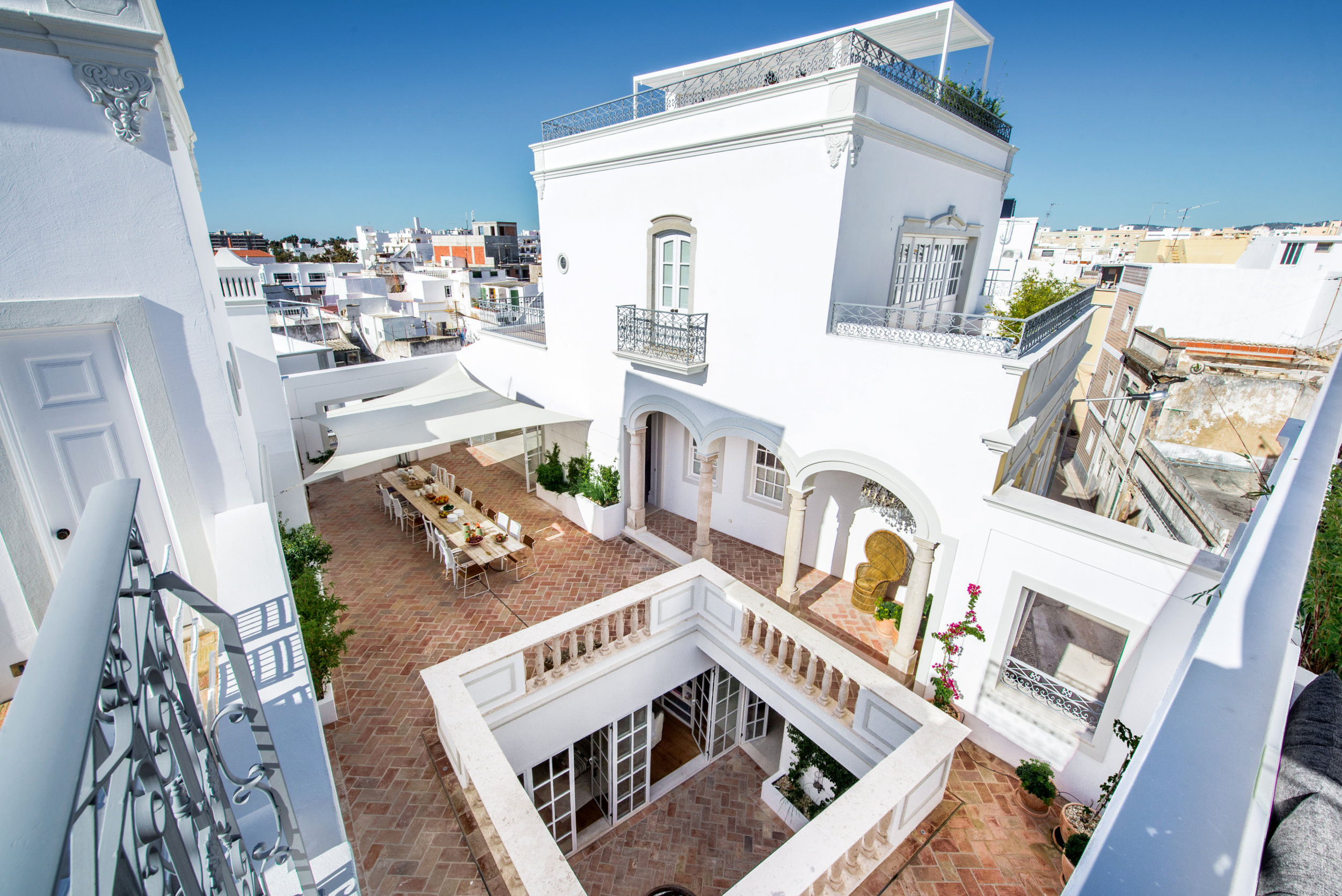
But does, beautifully
How three derelict buildings in the eastern Algarve became one of the world's best yoga retreats and why the most remarkable thing about Casa Fuzetta isn't the house at all
There is a particular kind of story that defies easy explanation.
Not a fairytale — too real for that. Not a business success story — too strange for that. Something in between: a story about what happens when one person stops making sense and starts making magic.
Casa Fuzetta is that kind of story.
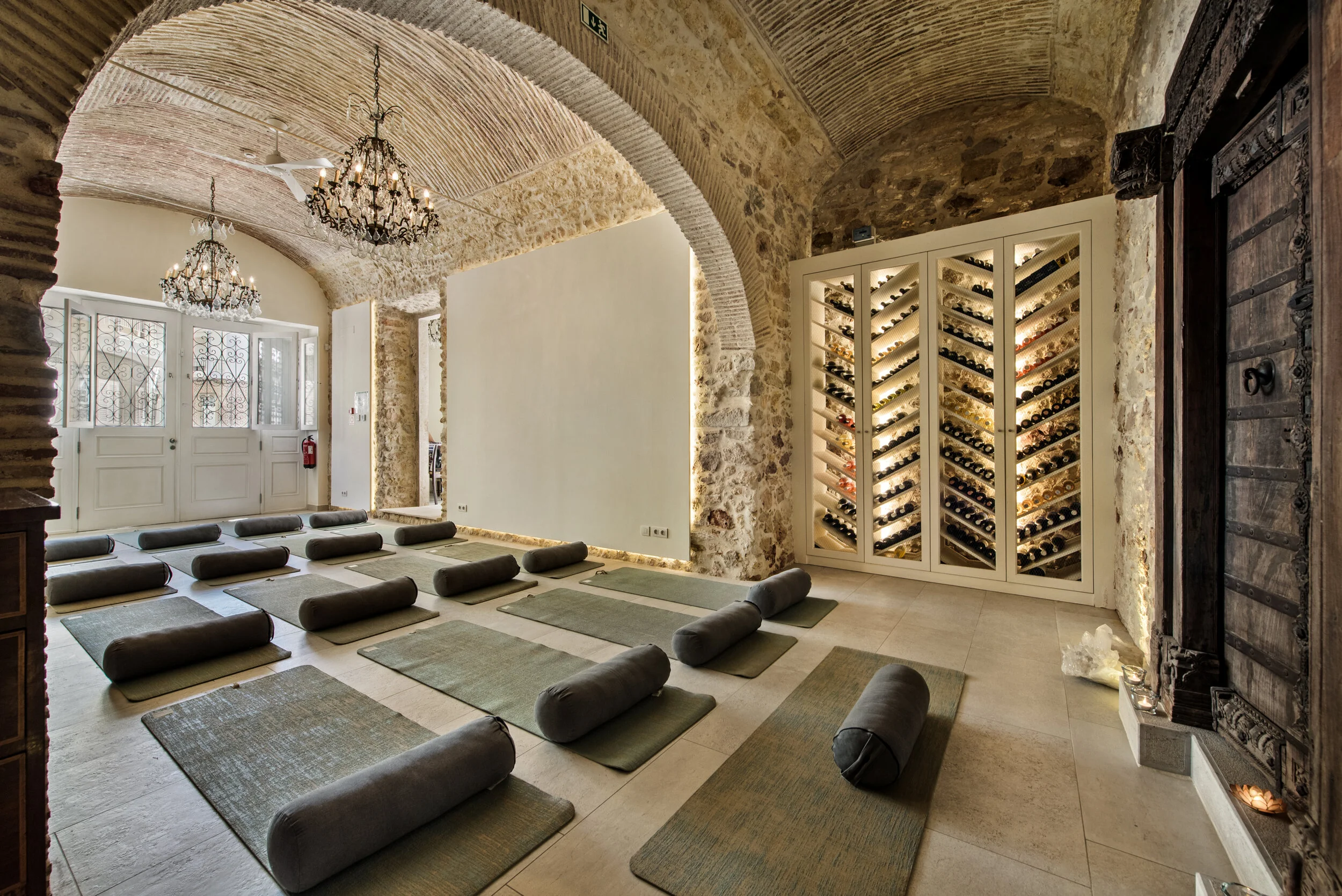
Tucked into the historic fishing town of Olhão in the eastern Algarve of southern Portugal, Casa Fuzetta is, on the surface, a beautifully restored retreat. A place of yoga and meditation, of writing and creative work, of long meals and longer conversations. In 2024, Condé Nast Traveller named it one of the best yoga retreats in the world.
But the building — three buildings, in fact — is only the beginning of it.
The Woman Who Parked Her Head at Passport Control
Tara is, by her own description, a city girl. Born and raised in London. Cerebral by nature, cerebral by profession — strategy, logic, plans, budgets. The kind of person who moves through the world with structure and sense.
In September 2013, her husband Jonathan — or Tod, as she calls him; or Johnny, as others do — suggested a weekend break to Olhão. Tara, always up for a getaway, said yes.
She arrived at Faro Airport and, somewhere between the gate and the exit, she parked her usual logical brain.
"I still don't know how I found myself in this story," she says.
Most people pass through Faro and pick up duty-free. Tara came home with a house. Then another. Then a third — three derelict buildings in a neglected corner of Portugal, a country she had never visited before, where she knew no one, with zero experience of restoration projects and zero experience of running any kind of hospitality. No plan. No roadmap.
Just a feeling she couldn't argue with.
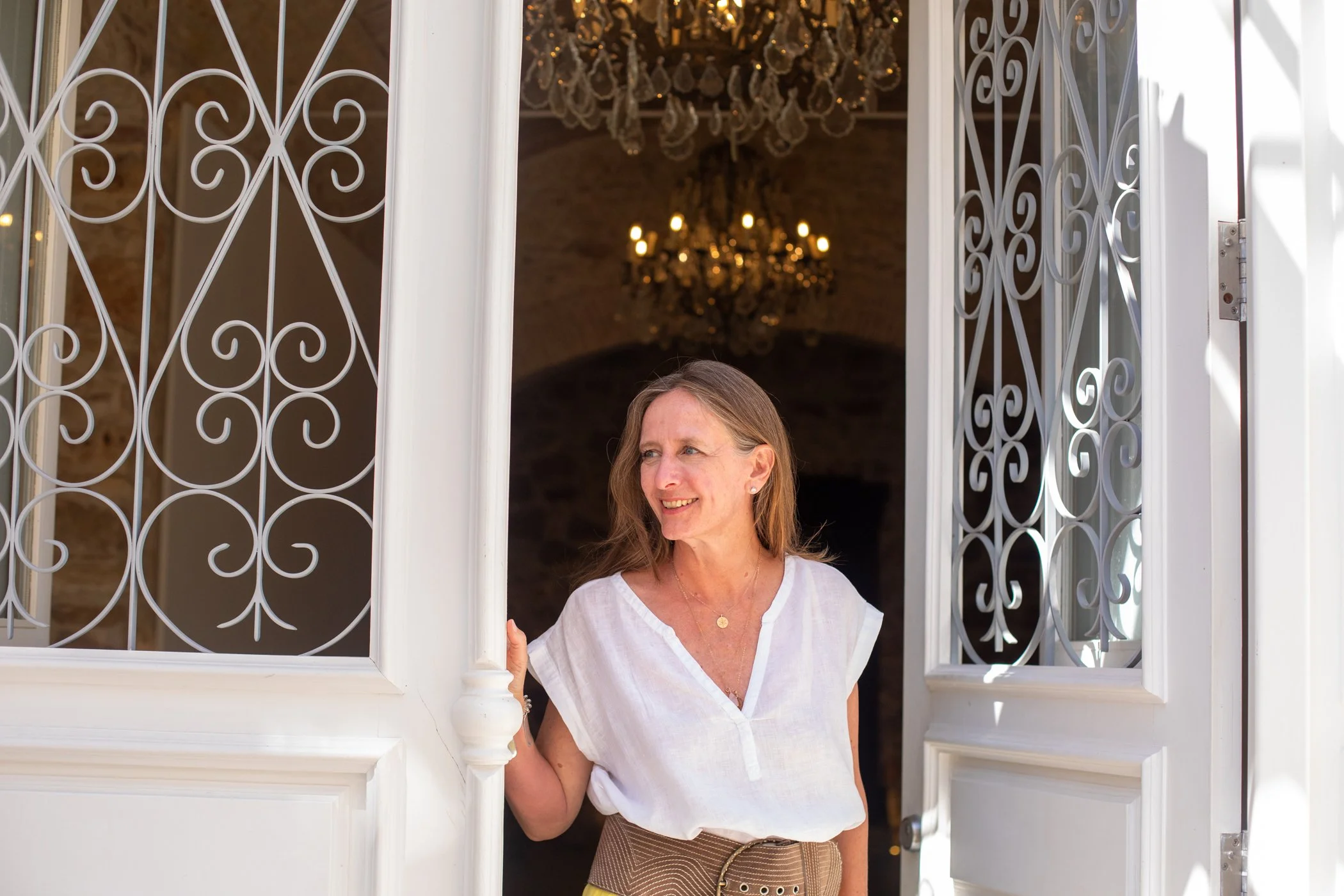
"With Casa Fuzetta, the great joy is I have found myself moving from head to heart," she reflects. "I dropped into my body and I trusted my creativity."
People Who Arrive Just When They're Needed
If you spend any time at Casa Fuzetta, a pattern begins to emerge. People appear. Not randomly — or rather, randomly in the statistical sense, but with an uncanny precision in terms of timing. The right person with the right skill, the right offer, the right energy, showing up at the exact moment the house — or Tara — needs them.
It happened during the restoration. It happened in the early days of the retreats. It happened with guests who became friends, friends who became collaborators, collaborators who became part of the fabric of the place.
Kat, for example — founder of the Cheeky Yoga Club — was one of the very first guests at a yoga retreat at Casa Fuzetta. She felt something in the house. She came back. And came back again. And has since gone on to lead multiple retreats there and join Tara as guest teacher for her annual Heal the Healers retreats.
Then there's Nora, an interior designer who had been aware of Casa Fuzetta for years — who had wanted to come for years — but found her path there blocked, first by COVID, then by circumstance. When she finally arrived for a workation, she liked it so much she extended her stay. Then extended it again. Then, so taken was she with the concept of gathering — of that particular energy that forms when a group of people work and live alongside each other in a beautiful place — that she began leading her own workation with a neighbour nearby. The house gave her something she didn't know she was looking for.
And Haruka: an artist of Japanese heritage, based in the US, who reached out to Tara five or six years ago about the possibility of an artist-in-residence programme. They kept in touch — not because either of them forced it, but because there was something in that first conversation, something in Haruka's passion and her dream of coming to Portugal, that Tara couldn't let go of. When Haruka finally arrived, it felt less like a first visit and more like a return.
The Detours That Weren't Detours
What is striking about the people drawn to Casa Fuzetta is not just that they arrive — it's how they arrive. Almost none of them planned it.
Emma, co-founder of Austa, a garden-to-table restaurant in the local area, was travelling through South America with her husband when COVID changed everything. They detoured to Portugal to join her parents. Then, after COVID, they set off to discover design and foodie gems across the country — and never quite left. What looked like a detour turned out to be the destination.
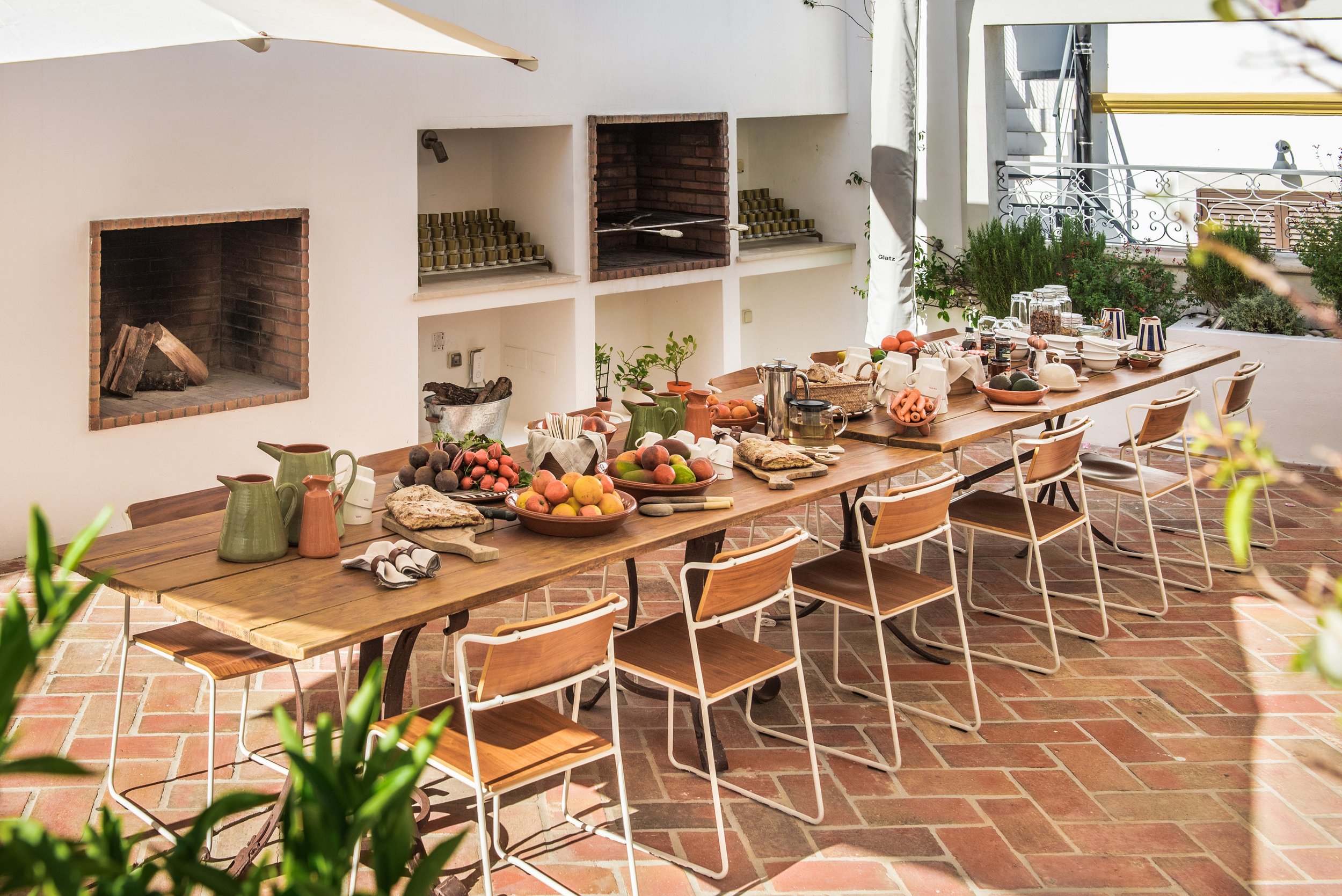
Paul, an Anglo-Portuguese friend, sat down for lunch one day in Olhão and simply started talking. About Portuguese history. About politics. About the Algarve. About the island of São Tomé. He wasn't giving a lecture — he was just on a roll, sharing the kind of insight that only comes from someone who has lived a story from the inside. The moment had to be captured. Someone reached for a microphone. Over delicious, slightly noisy clams, something unrepeatable was preserved.
This is the Venn diagram of Casa Fuzetta's world: almost everyone within it arrived fundamentally without a plan. They responded to a call. They followed something they couldn't quite name.
What Portugal Is Doing to People
There is a broader current running beneath all of this, something that goes beyond one house or one town or one couple’s leap of faith.
Portugal is calling people. Barely a week passes — certainly not a month — without someone asking: Portugal's calling us. Any top tips?
There is something happening in this country, particularly in the Algarve, that is difficult to quantify and easy to feel. People arrive and find that the lack of a plan was, in some sense, the plan all along. The slower pace, the light, the warmth of the culture — something unlocks. Something that was held tight in the day-to-day logic of a life lived elsewhere begins, gently, to loosen.
Casa Fuzetta sits at the centre of this current. It doesn't create it — the pull was there long before the house was restored. But it catches it. It gives people a place to land.

From Fear to Trust
The phrase that Tara uses to describe what Casa Fuzetta offers its guests is simple but not small: a move from fear to trust.
Not a dramatic conversion. Not an overnight transformation. But a gradual, real, sometimes uncomfortable shift in how a person holds themselves in the world. A willingness to follow intuition. To act on passion. To let the next thing arrive rather than forcing it into being.
It's what happened to Tara herself, crossing from logic to creativity without quite knowing she was doing it. It's what happened to Kat, building a yoga community out of something she felt rather than planned. It's what happened to Emma, turning a detour into a life. It's what happened to Haruka, crossing an ocean toward a dream she'd been carrying for years.
The house didn't do this to them. But it held the space for it to happen.
A Place That Earns Its Name
Three derelict buildings. A woman who had never been to Portugal. No plan, no experience, no obvious reason why any of it should work.
And yet: one of the best yoga retreats in the world, according to some of the most respected travel publications on the planet. A community of guests who return year after year.
Casa Fuzetta is the house of stories because the stories keep happening. Because the right people keep arriving. Because something in the place — in its restoration, in its intention, in the heart that was poured into it — keeps drawing out the best of the people who pass through.
That's not branding. That's not hospitality.
That's magic. Everyday magic.
And it turns out everyday magic, in the right place, is enough.
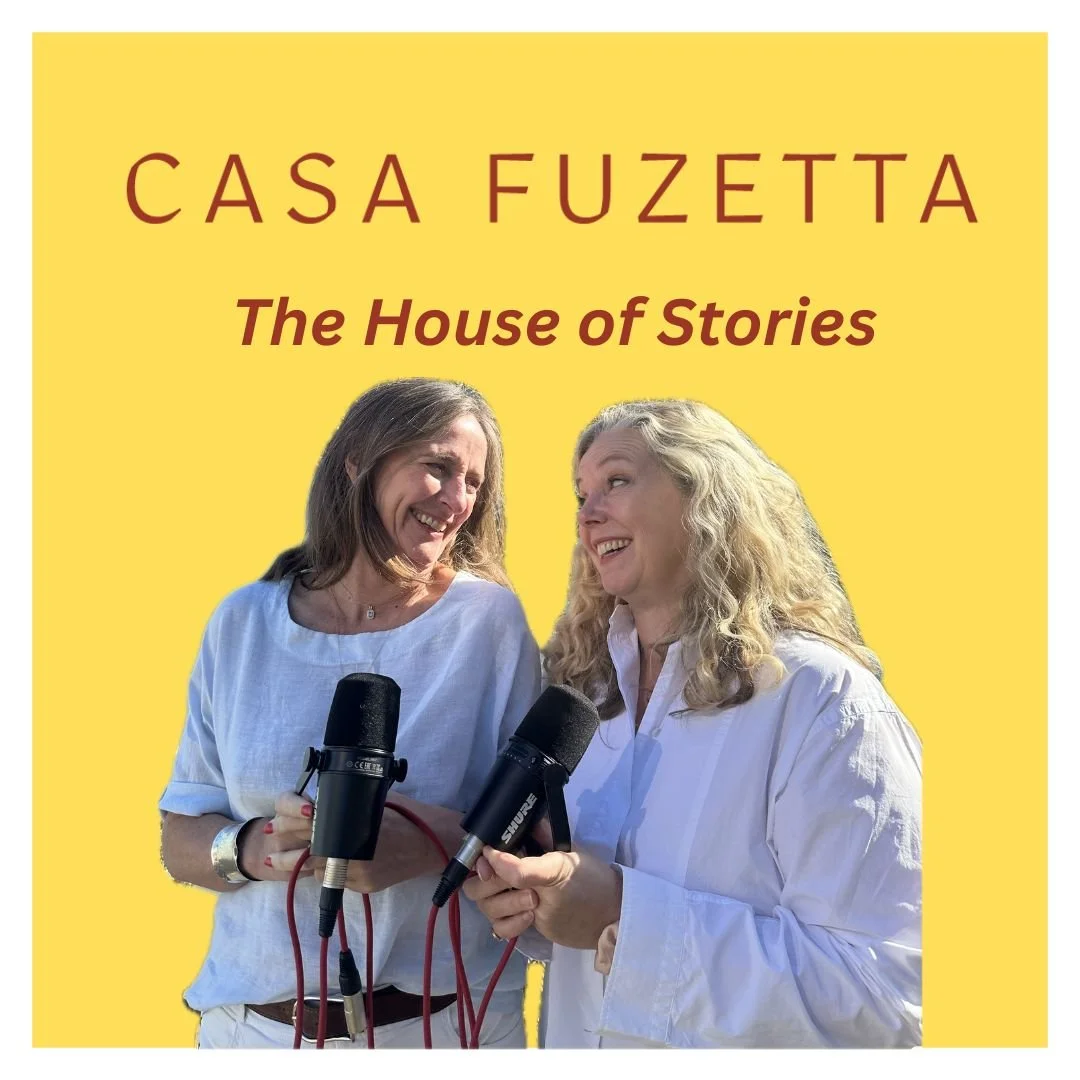
If you would like to deep dive into the Casa Fuzetta - House of Stories podcast. We invite you to explore the current two series via the links below.