

HISTORY
Olhão in the eastern Algarve of Portugal dates back to Roman times, when it enjoyed its first boom, courtesy of the rich fishing seas just off its coast. These areas remain vibrant and continue to sustain the local community.
The daily fish market (designed some say by Gustave Eiffel) and the Saturday market that runs along the adjoining waterfront are without question some of the best in the world and heaven for all foodies!
The town has escaped the package tourist and golfing crowds. It isn't technically a beach town. However, one of its joys is taking a ferry or river taxi to the outlying islands. The islands of Armona, Culatra, Farol and Deserta each have subtly different characters and vibe, but all share wonderful clean beaches and echo a slower, simpler time. No cars, kids jumping off pontoons and having the freedom to roam and play with friends without fear or restriction, the air rich with the smell of freshly grilled sardines …
A few years back, a handful of artists and creatives recognised the magic and potential of Olhão’s old town, and set themselves the task of saving its unique mix of Moorish cubism and faded grandeur.
We joined them in 2013, at a time when Portugal and the town could be fairly described as on its knees. But not now! The town has refound its heartbeat and on almost every street at least one of the houses of the old town is being brought back to its former glory …
Casa Fuzetta is one of those houses. Indeed, one of the biggest. With elements dating back to the sixteenth century, the principal building was commissioned as a gentleman’s residence by Dr Carlos Fuzeta at the end of the nineteenth century. Dr Fuzeta was something of a local hero – a maritime lawyer, philosopher and philanthropist, and in the only instance we know of, the town honoured him with a large plaque on the facade of the house.
After Dr Fuzeta's death the house was split up and suffered terrible neglect. However, it is still affectionately remembered by the older members of the community for when the property housed the electricity board and where they went to pay their first electricity bills… They have all kept a keen eye on our restoration work and shared their love and stories of the house, and even a few photos, including those below…

Architectural Sketches and Designs of Casa Fuzetta
It is sometimes difficult to imagine the scale of the transformation that was involved in bringing Casa Fuzetta back to life.
We developed a short reel to capture 3 years in 30 seconds - you can witness it HERE
If you would like to step further behind the scenes, we invite you to subscribe to the Casa Fuzetta Substack - HERE
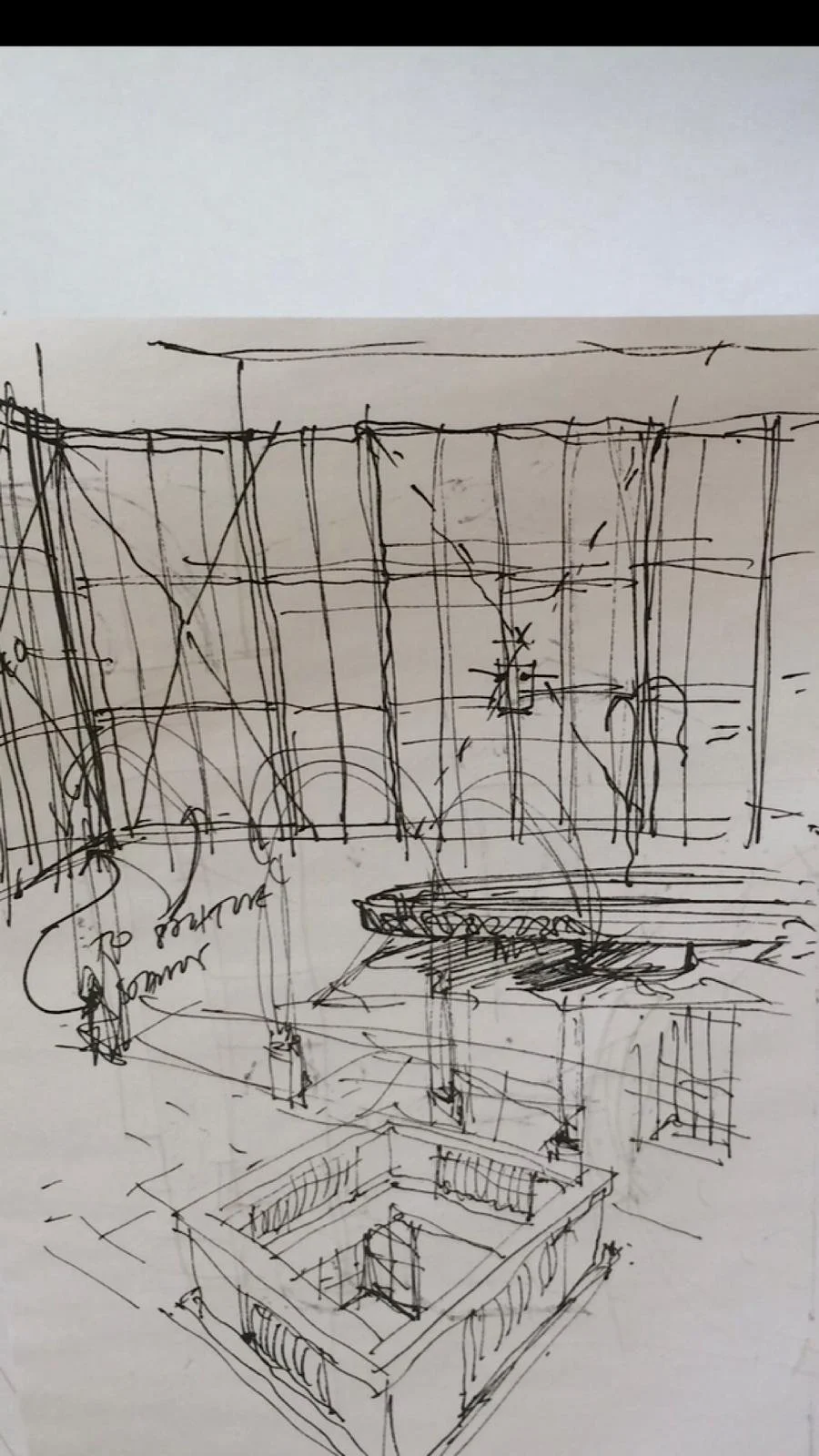
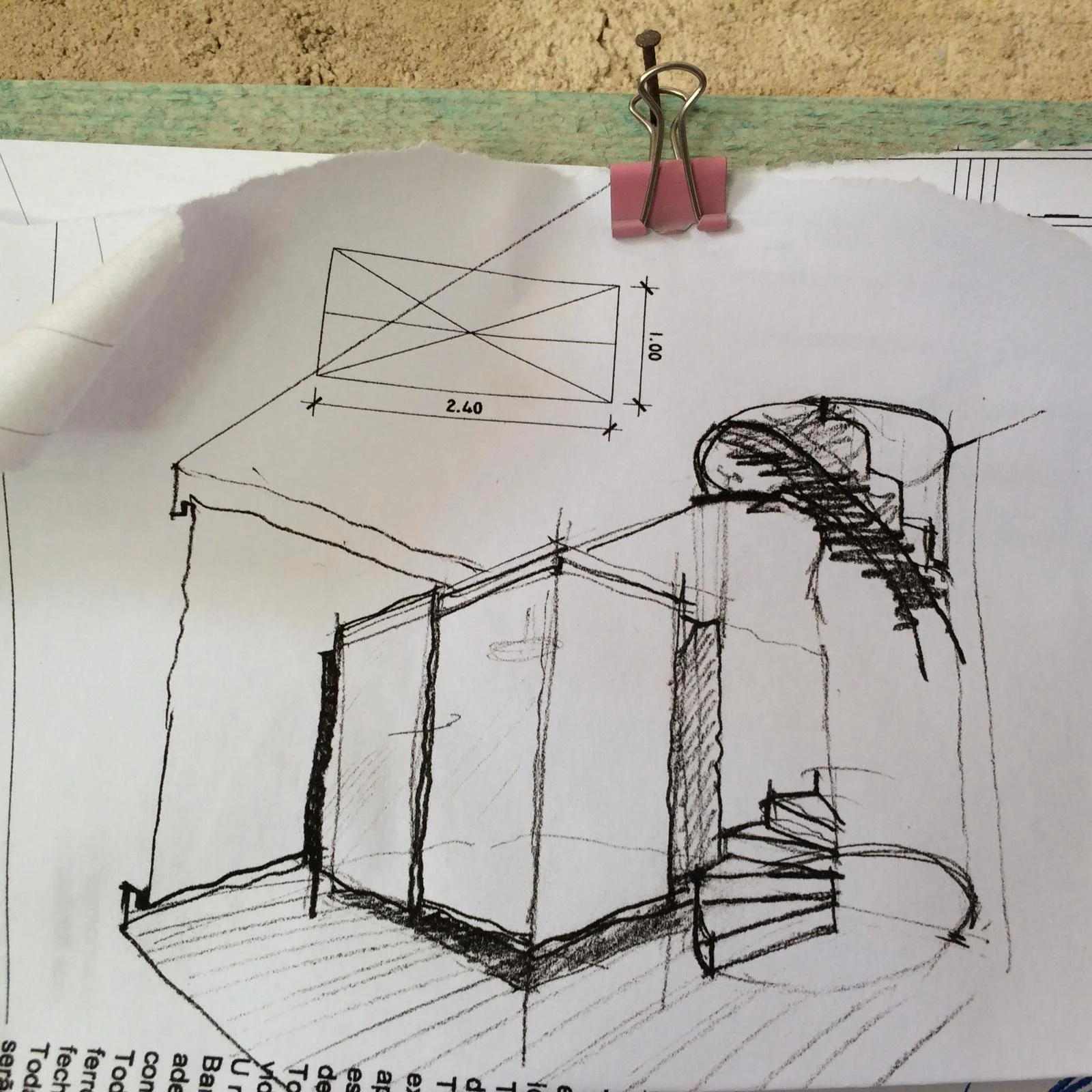
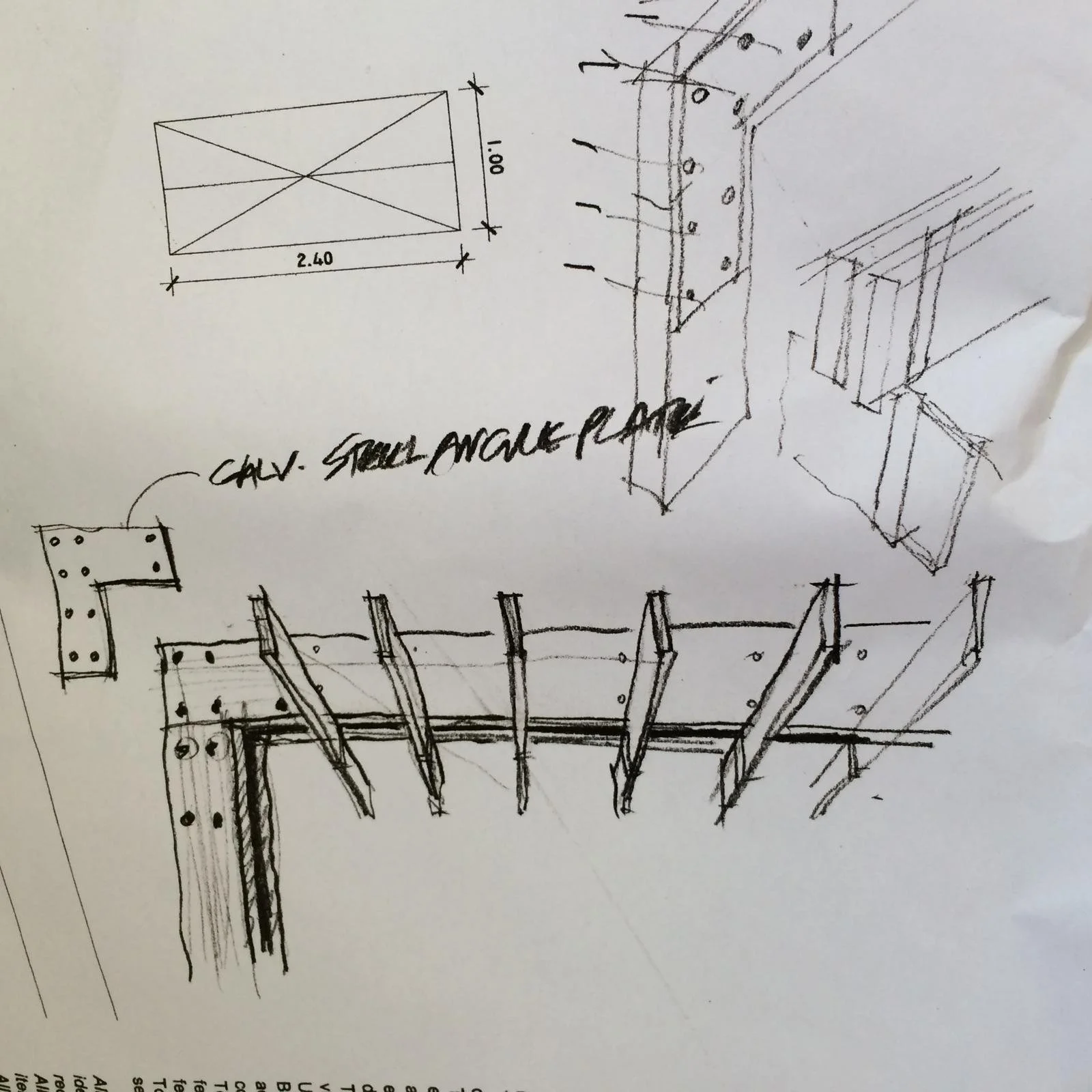
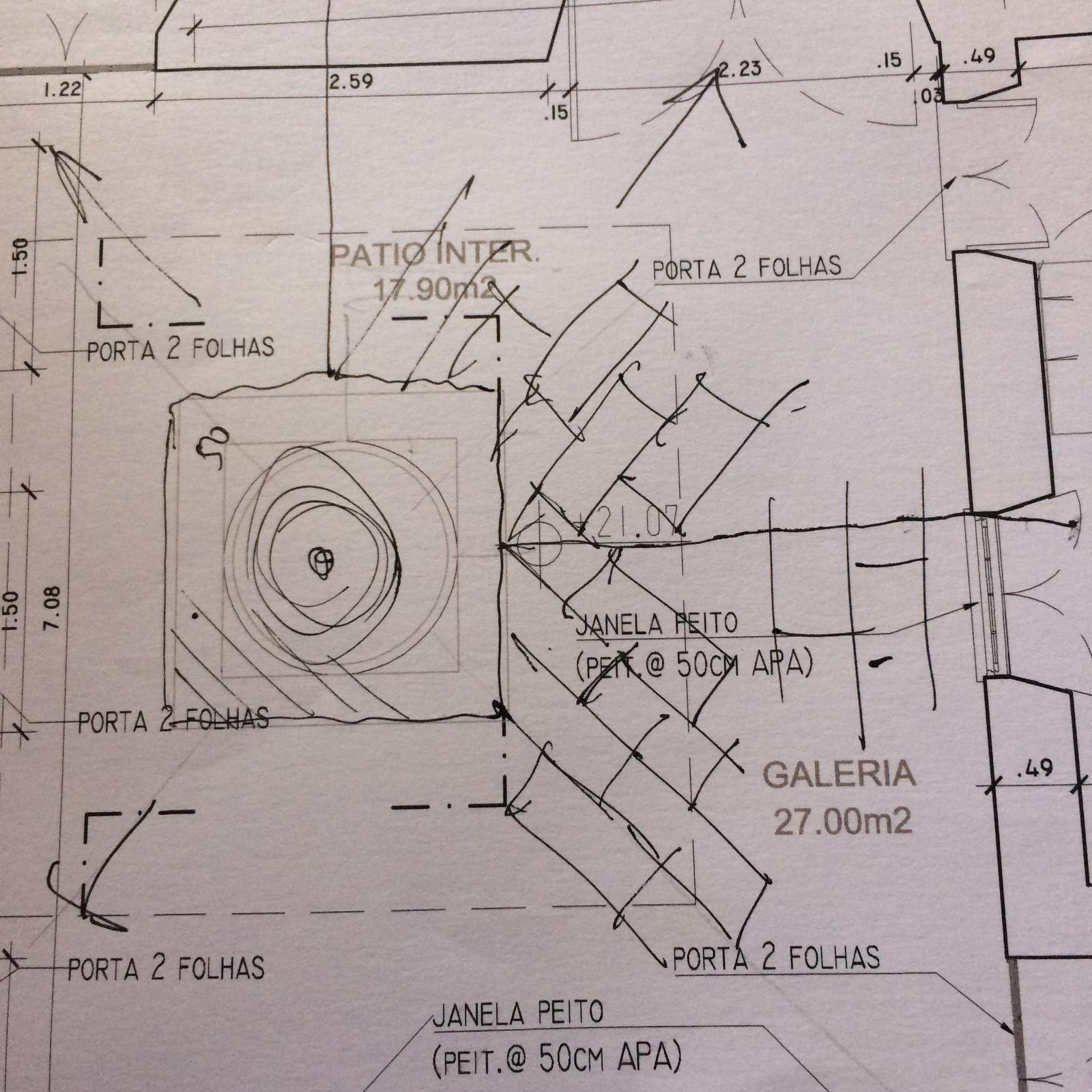
Here are some of the architectural sketches that helped the creative spirit to flow.
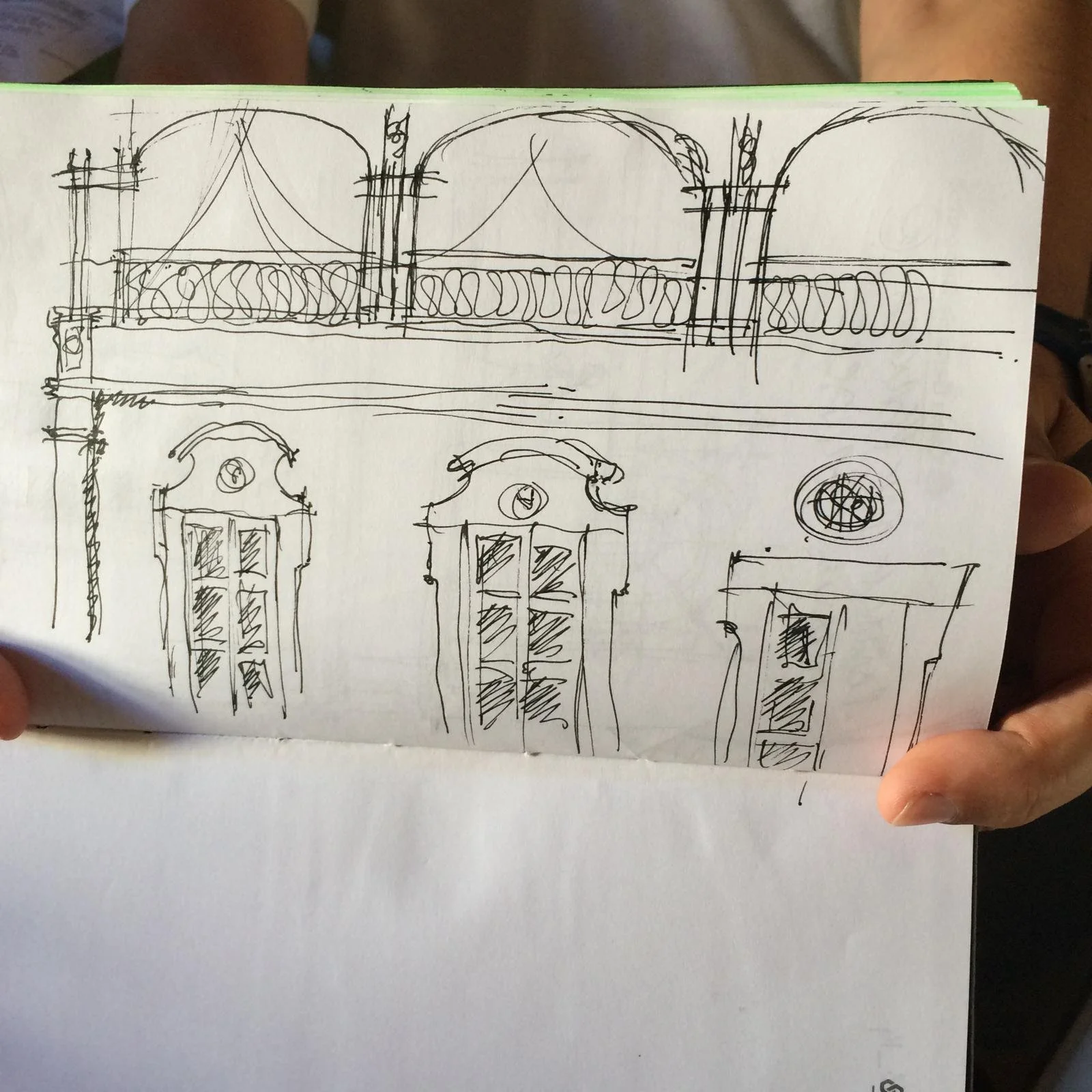
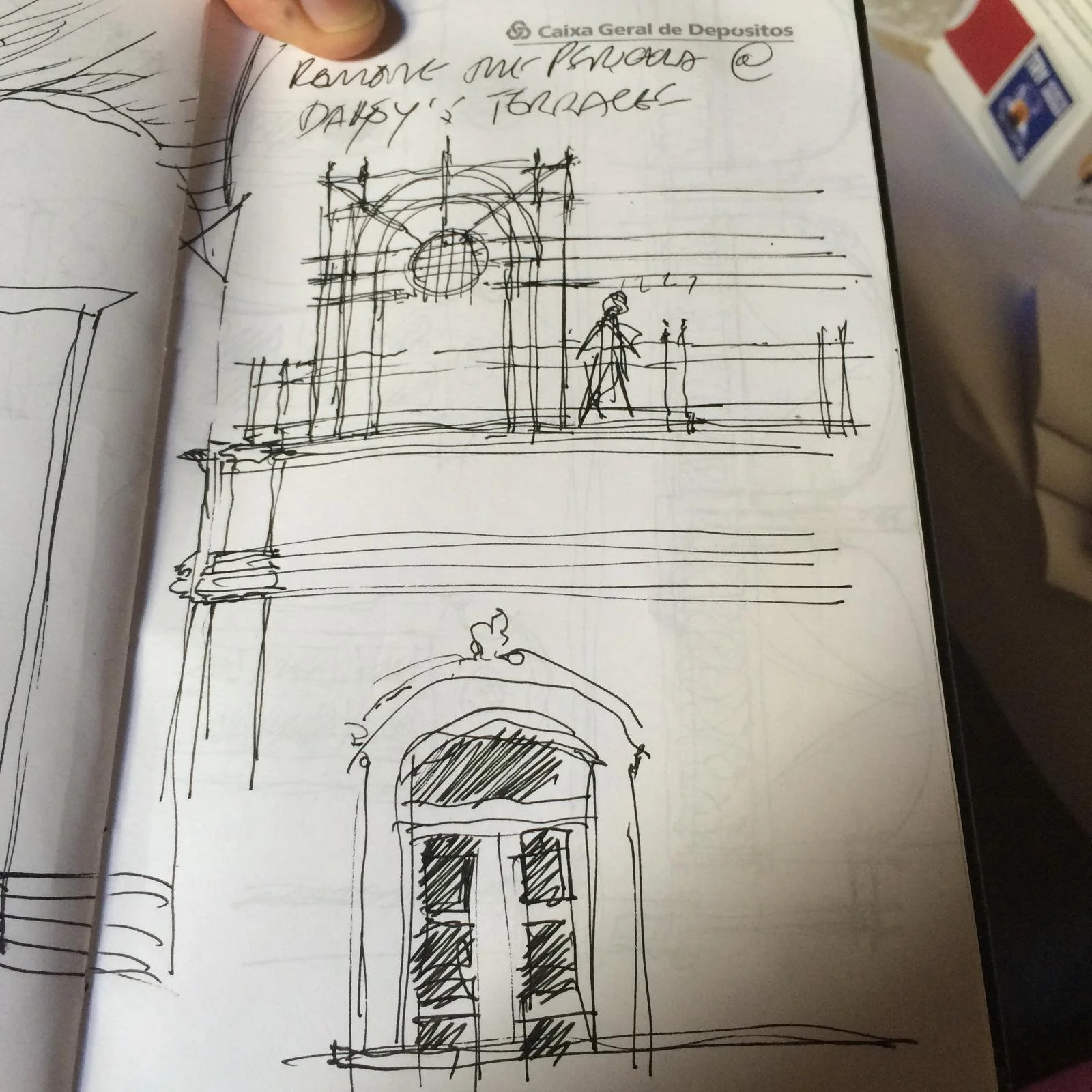
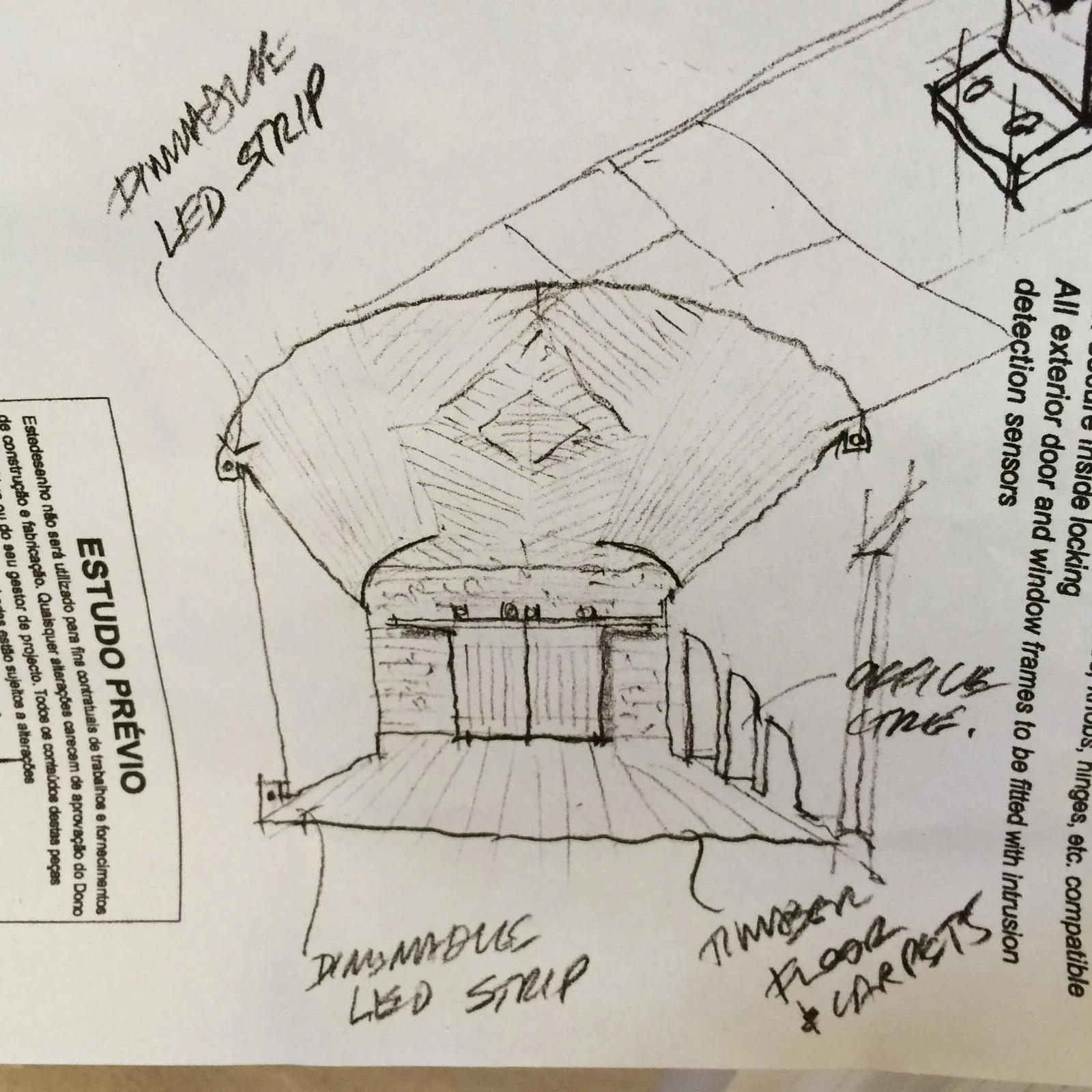
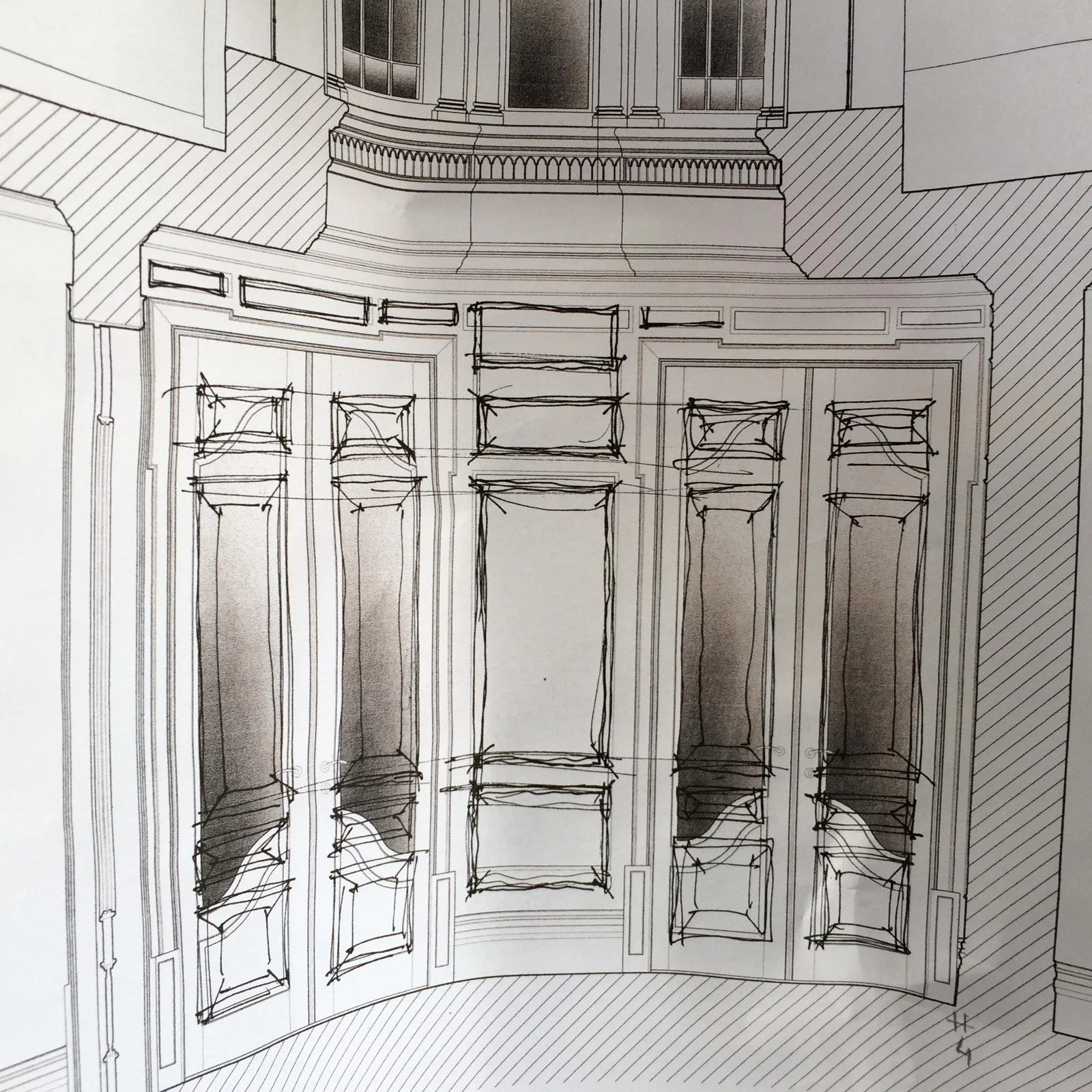
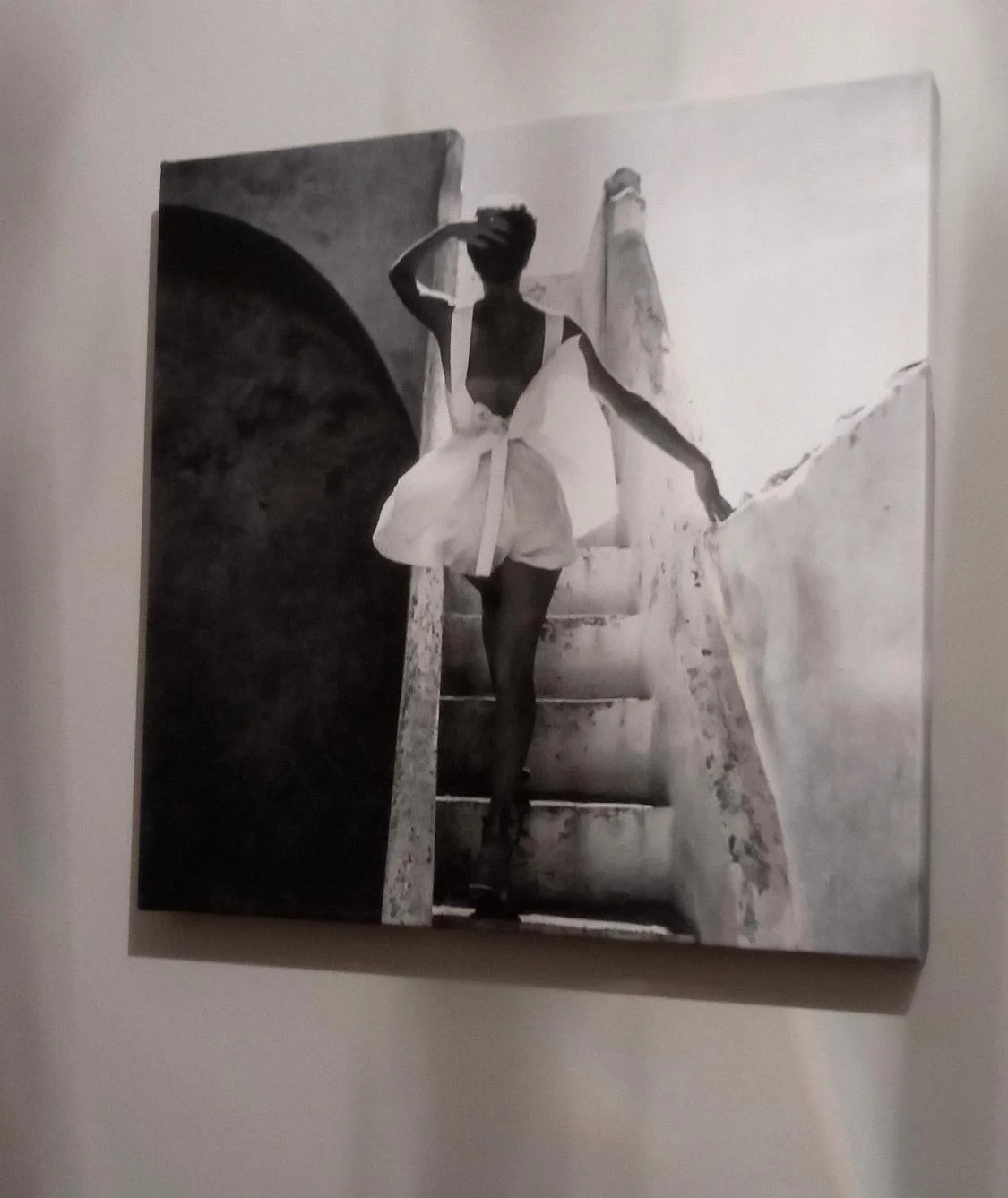
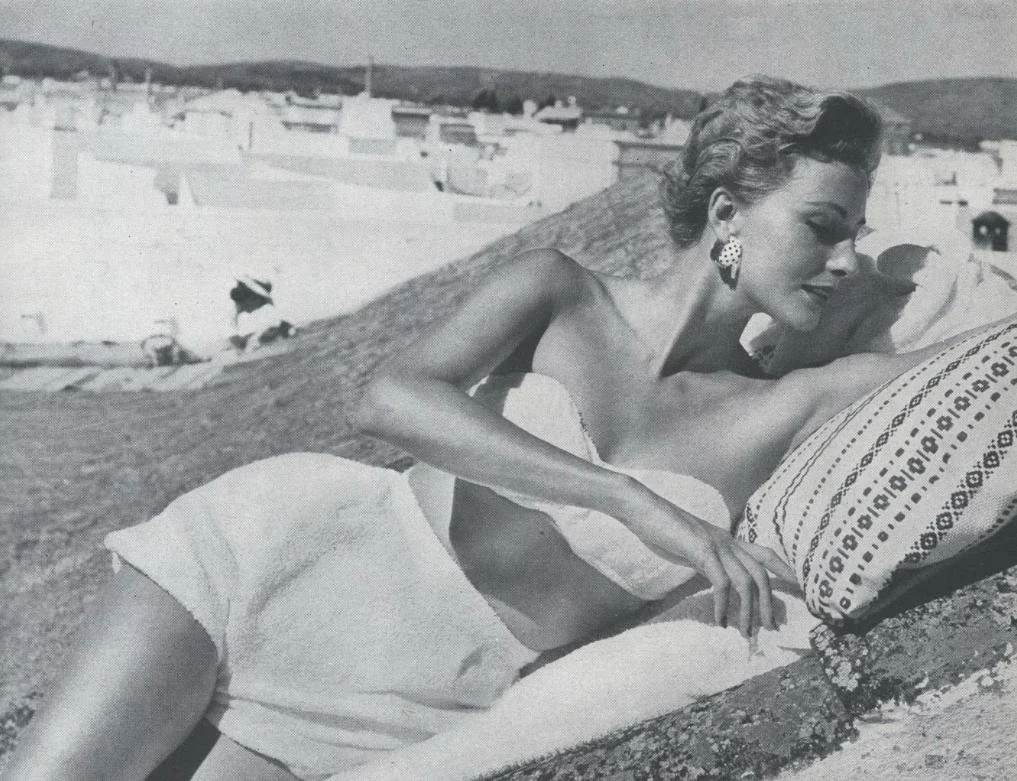
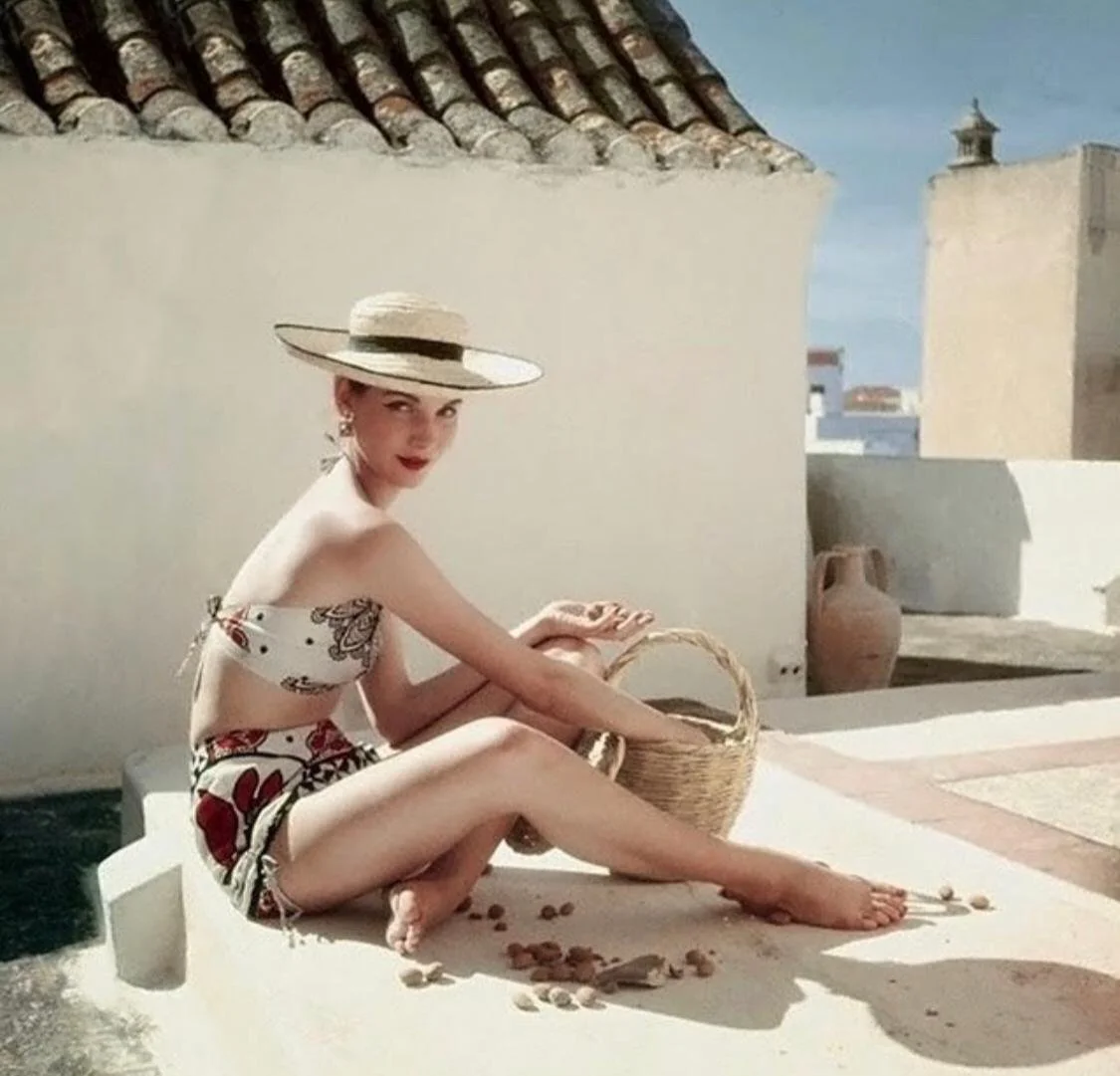
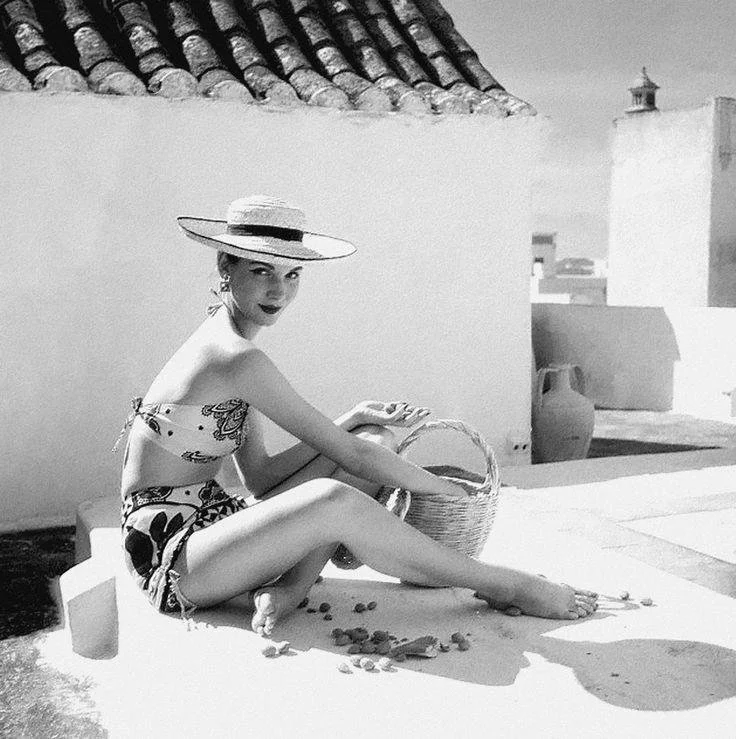
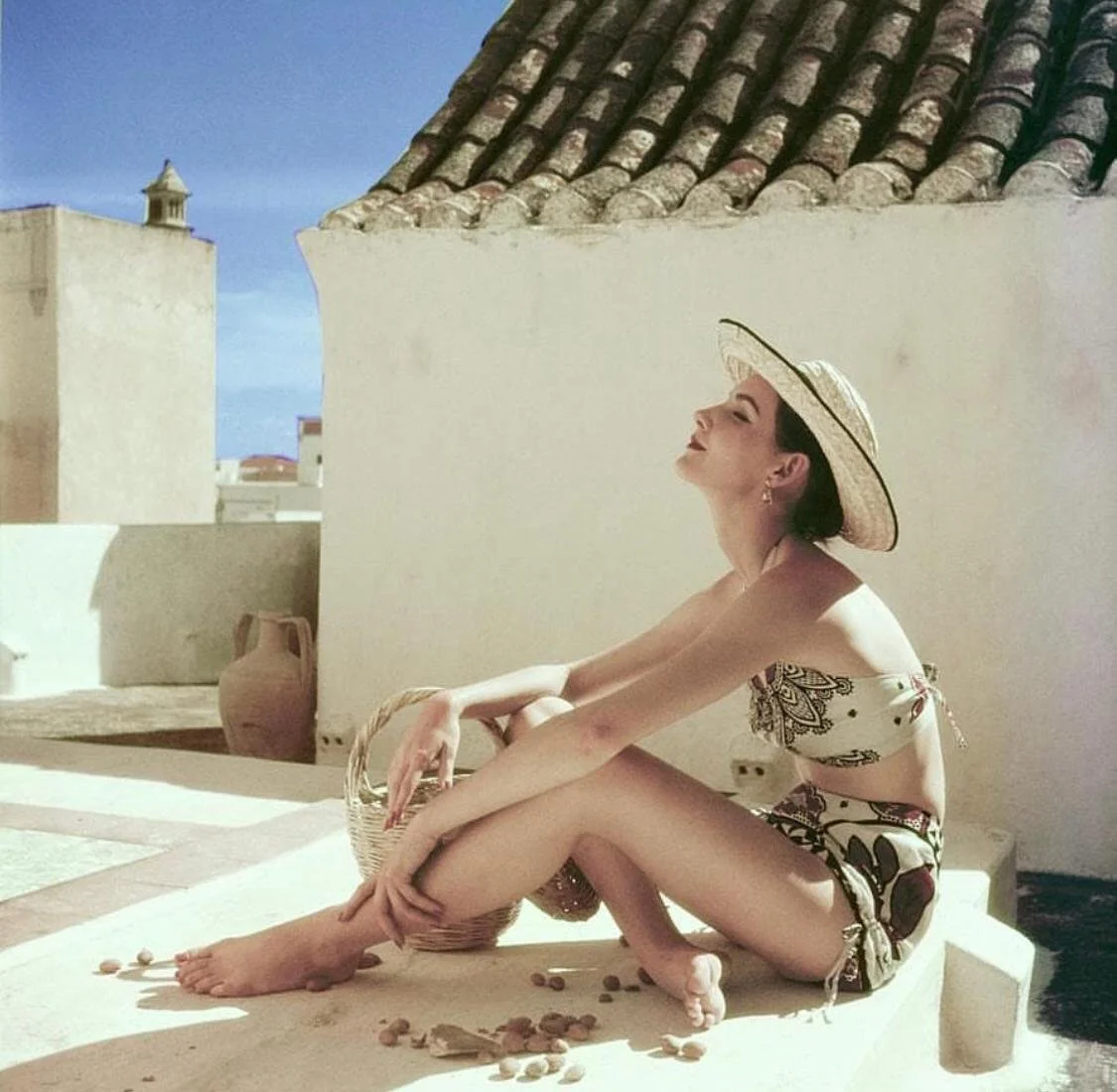
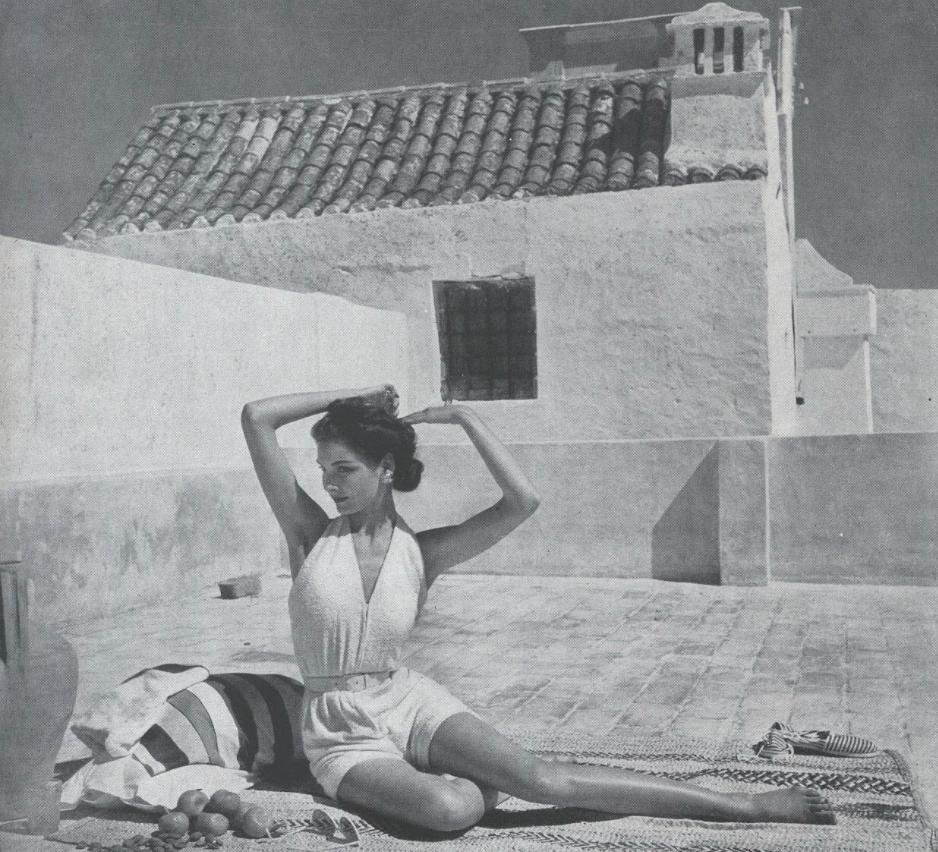
Casa Fuzetta in Vogue (1952)
Our original vision for Casa Fuzetta always included the prospect of welcoming photographers and photoshoots - and we’re delighted to have welcomed our fair share.
But little did we know at the time of conjuring this vision that we would later discover that the celebrated fashion photographer Henry Clarke had been commissioned by Vogue US to undertake a series of shoots in Portugal in 1952 - and where should he navigate to? None other than Olhao and the rooftop of Casa Fuzetta!
Casa Fuzetta in Film
The incredible story of Boris Skossyreff, a truly unique character: a member of the Russian nobility, a British spy, a stateless person, an aide to the Queen of the Netherlands, a Nazi collaborator, a forger, and a professional con artist, who went on to become King of Andorra. Boris Skossyref once spent time at Casa Fuzetta as a guest of Dr Carlos Fuzeta, who originally built the house.
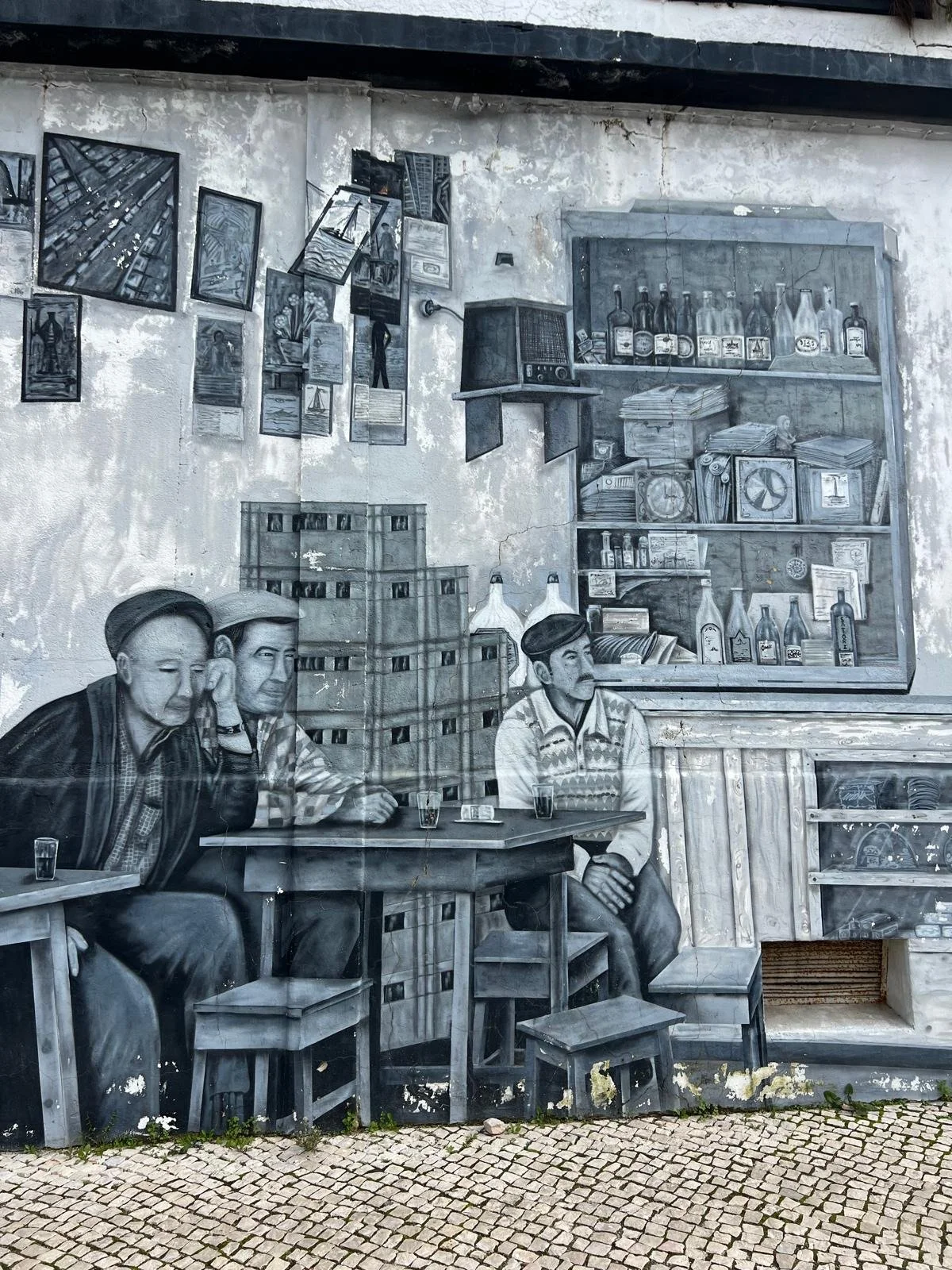
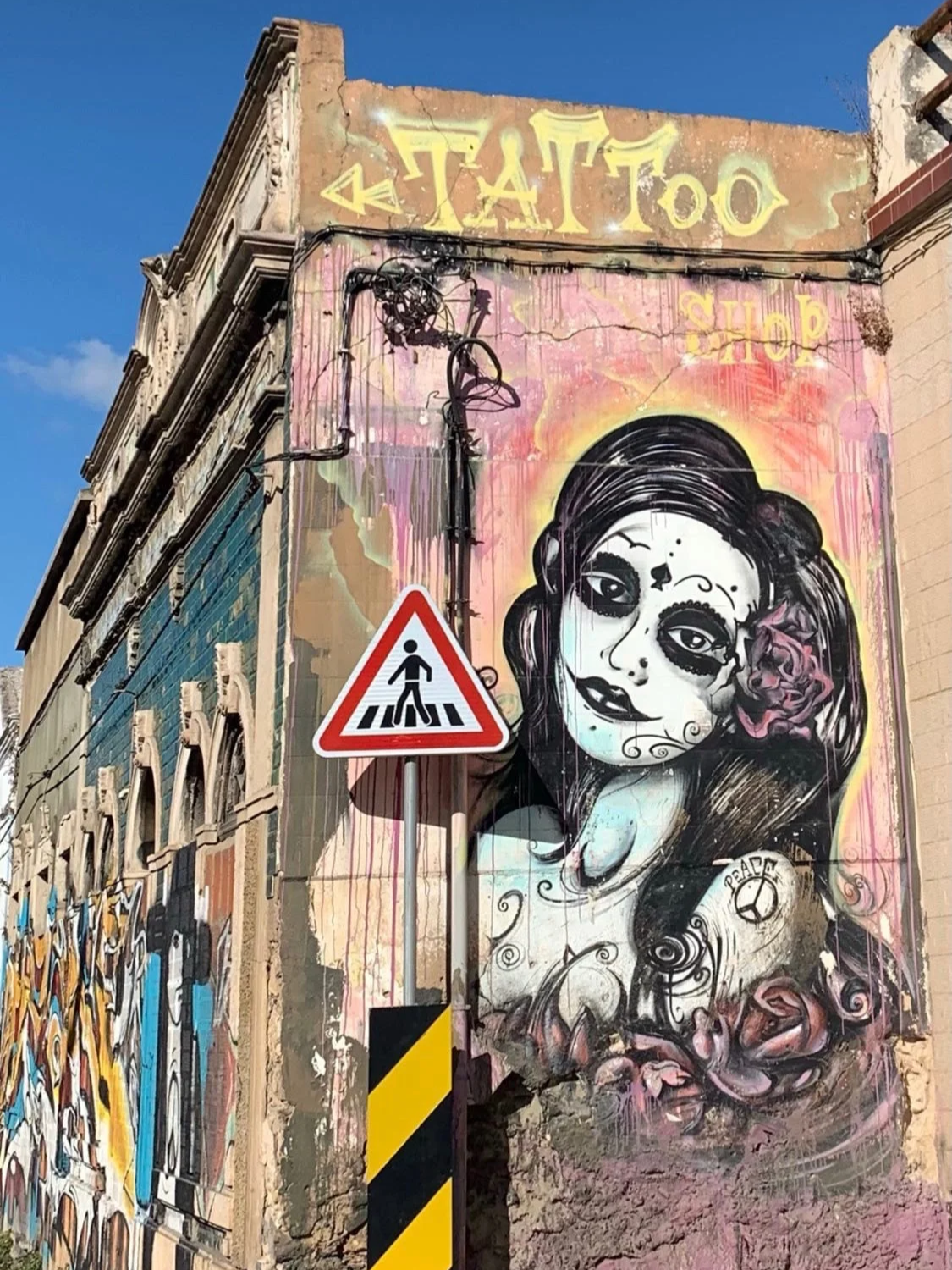
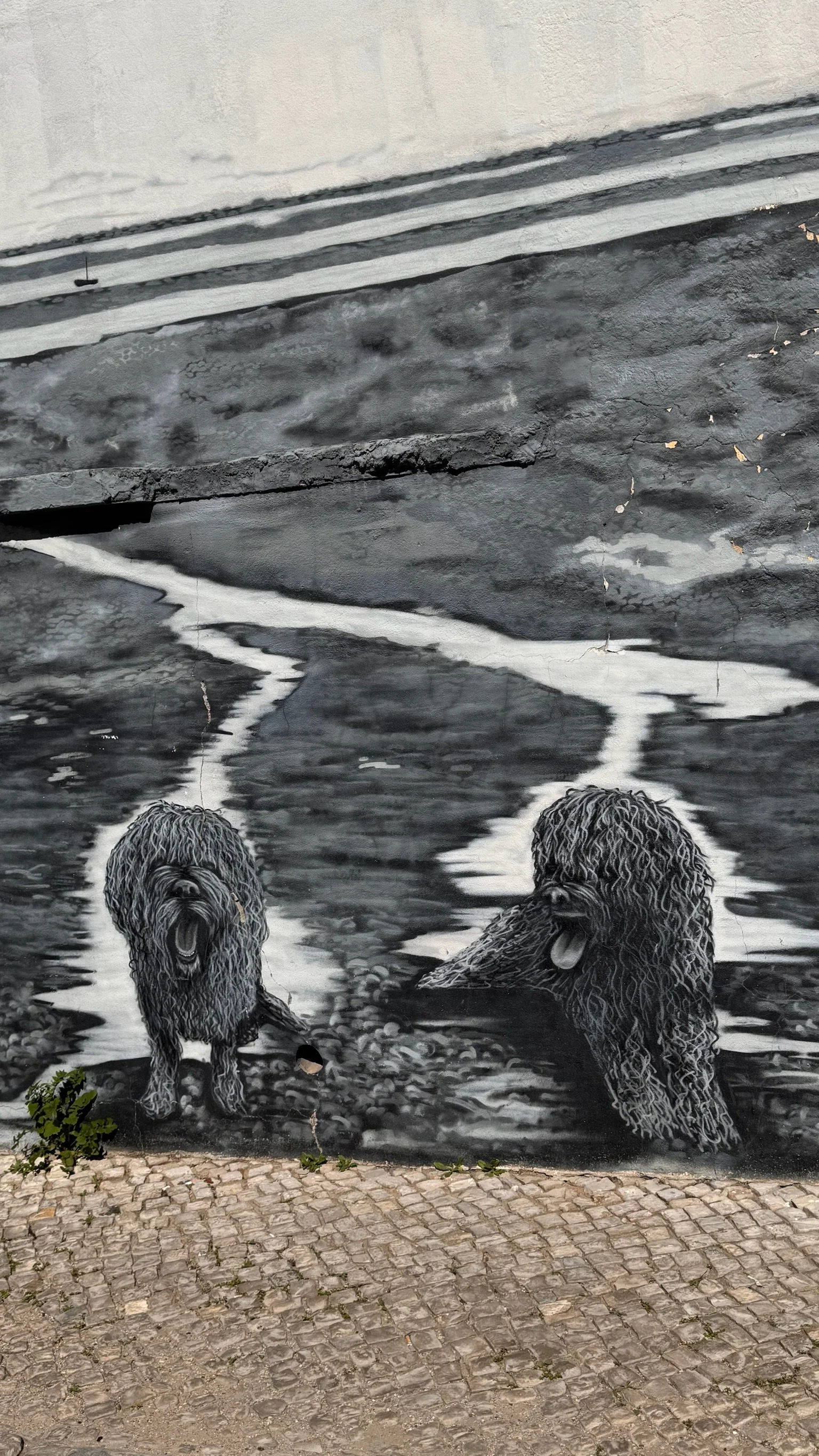
Olhão Recognises Graffiti as an Art Form
Around the world, graffiti is often considered a blight on the urban landscape, but Olhão, as ever, has looked at things differently.
Many of the buildings in the town suffered from decades of neglect and artists both local and expat found new canvases. An art form that elsewhere was criminalised became a work commissioned by the City Council of Olhão. In 2017, working from photos from the municipal archive, four urban artists created murals depicting the rich history of the community. It was a labour of love, taking several months. The old canning district now offers a walk-through memorial to the people, heritage and culture of this special place. Fraying walls have been turned into visual tapestries.
The town is proud to have its very own Urban Art Society, founded by the artist SEN who has singlehandedly painted an entire church in Olhão with extraordinary illustrations.
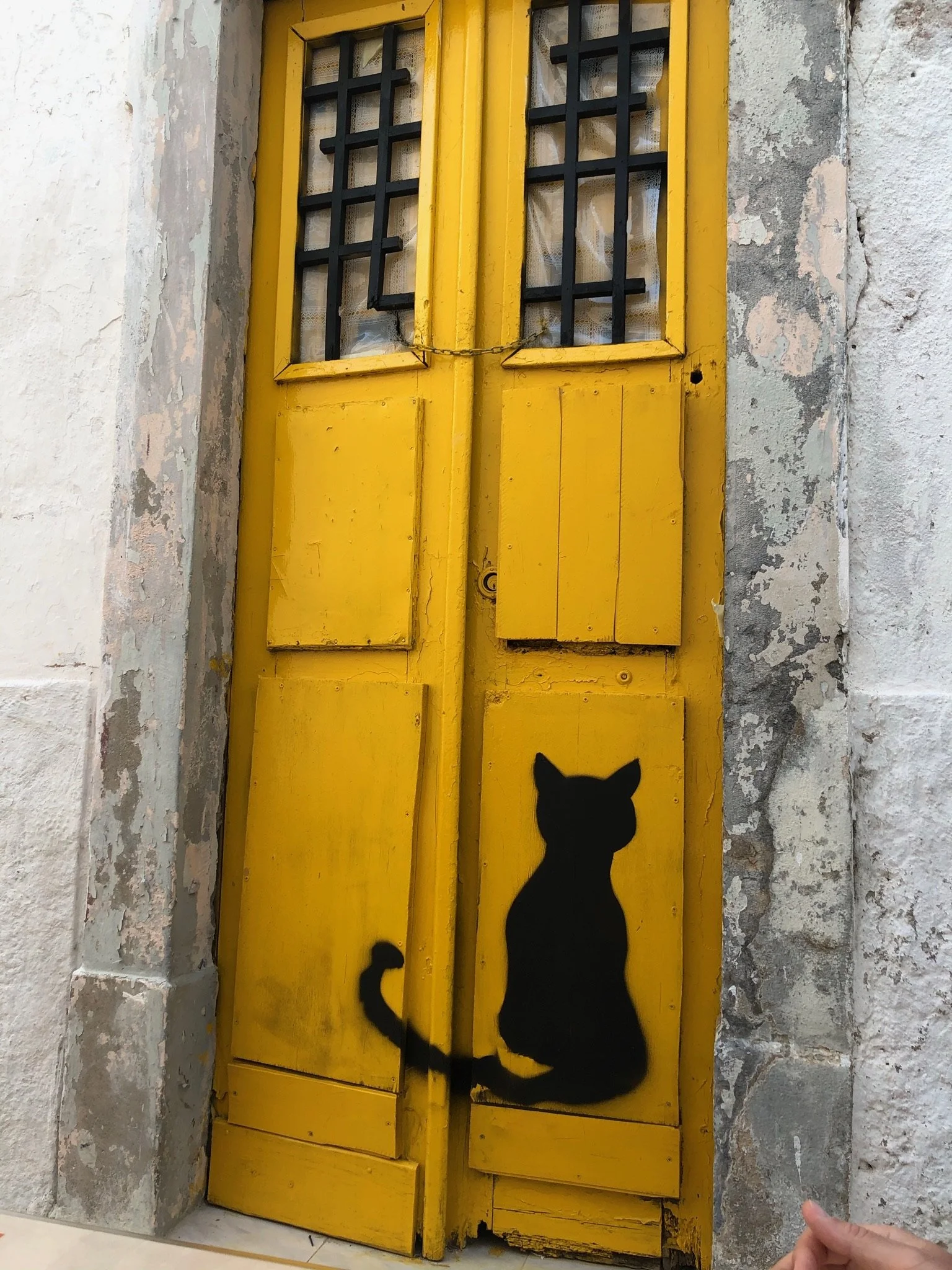
And if you keep your eyes open, you will find signs of different local artists visible across the town - from the new sculptural murals by the artist Bordalo, reflecting the flamingos of the Ria Formosa, to a cheeky kitten perched in a neighbourhood doorway.
Confusions, Spellings and Pronunciation
Casa Fuzetta is sometimes confused with “Casa da Fuzeta,” in Moncarapacho.
Casa Fuzetta is often misspelled “casa fuzeta” or “casas fuzetta” or “casa fuseta”.
Olhão is pronounced ol-yow.